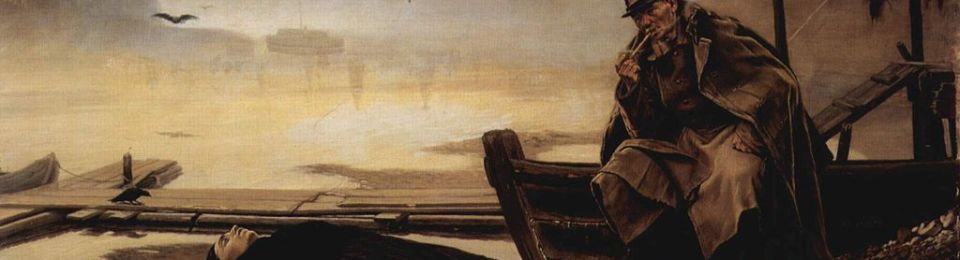
“Who is a person of piety and still a fool? Imagine a man who sees a woman drowning, but says,”It would not seem right for me, a religious man, to to touch a woman, and therefore I cannot pull her out.”
-Talmud
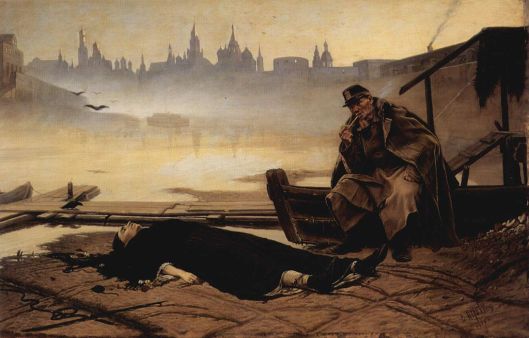
My father in law says there are two kinds of people in the world: those who say, “I’d love to but…”, and those who say, “What time and where?” In other words, those who show up and those who don’t.
The rabbis of the Talmud paint an extreme picture in the story above, but how often do we wring our hands or turn our gaze from situations we could act to correct? Our excuses are righteous and legion: too busy, have our own needs to look after, might get sued, probably a con, etc.
When a person stands on the side of the road or walkway with a sign that says “Homeless- Please Help” or “Will Work for Food”, do we listen to the righteous, even pious voice that says; “Probably a drunk or addict, my money will just go for drugs or booze”, or ” I can’t help everybody, they need to rely on themselves”? Or do we focus on the person here, now, before us, and take the chance that we might get conned, but help them anyway in case there is real need?
In our home, we have begun the practice of buying gift cards at a local grocery chain for small amounts, $2-5 each. We buy 50 bucks worth, and keep them in the car and in our pockets, purse or wallet. Then we hand a card to anyone who holds up a sign or asks for spare change. “Here take this, you can get some food at this grocery.” No one has scowled back yet- most light up and thank us. How do we know for sure who is drowning and who is not? So we let ourselves be “suckers” and give a little to everyone. It doesn’t go to booze, and I know it does some good, because of the way I feel doing it.
Who is drowning around you? What lifesavers can you throw?
~~~~~~~~~~~~~~~~~~~~~~~~~~~~~~~~~~~~~~~~~~~~~~~~~~~~~~
The Talmud (Hebrew for “instruction, learning”) is a central text of Rabbinic Judaism. The term “Talmud” normally refers to the collection of writings named specifically the Babylonian Talmud although there is also an earlier collection known as the Jerusalem Talmud. The Talmud has two components: the Mishnah (c. 200 CE), a written compendium of Rabbinic Judaism’s Oral Tradition; and the Gemara (c. 500 CE), an elucidation of the Mishnah and related writings that often ventures onto other subjects and expounds broadly on the Hebrew Bible. The term “Talmud” may refer to either the Gemara alone, or the Mishnah and Gemara together.
The entire Talmud consists of 63 tractates, and in standard print is over 6,200 pages long. It is written in Tannaitic Hebrew and Aramaic, and contains the teachings and opinions of thousands of rabbis (dating from before the Christian Era through the fifth century CE) on a variety of subjects, including law, ethics, philosophy, customs, history, lore and many other topics. The Talmud is the basis for all codes of Jewish law, and is widely quoted in rabbinic literature.
Joe Laur is a father, husband, naturalist, executive consultant, and a lowly rabbinic student. He can be reached at joe.laur@godsdog.net.
 Today's Rabbi
God only asks for our availability.
LikeLike